Catalogue
Rare plants for collectors
Rare collectors' plants: fruit trees seldom seen in European gardens, such as jaboticaba, pitanga, feijoa, pawpaw (asimina), maclura, araçá, eugenias and pouterias, alongside dozens of species of better-known fruit, soft fruit and chillies. This page brings together almost the whole Dorca Plantas catalogue.
Subcategories
-
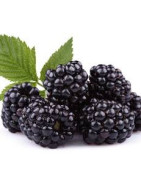
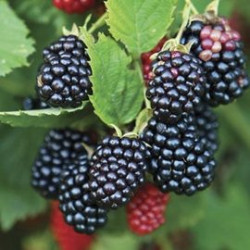
Blackberries (bush)
Blackberry plants in more than 40 varieties: thornless blackberries such as Navaho, Ouachita, Chester and Black Satin, black raspberries, and blackberry and raspberry hybrids such as Boysenberry, Loganberry and Tayberry. These are cultivated brambles with large fruit, to be trained on wires or along a fence.
-
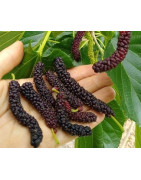
Mulberry trees
Mulberry trees in several varieties: white and black mulberry, grafted Galiza, Pakistan mulberries with long fruit, and Illinois Everbearing and 4 Seasons, which crop over a long period. There are dwarf mulberry trees for pots and mulberries grown for their decorative leaves. The mulberry copes well with heat and little water.
-
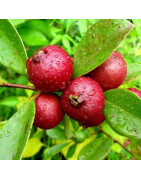
Araçá
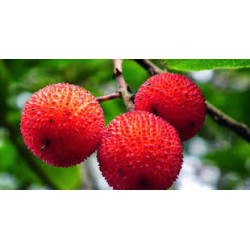
Strawberry guava (araçá) plants for the garden or a pot: yellow, red, pink, purple and yellow pear araçá, all of the species Psidium cattleianum, plus the araza and the campo araçá. The strawberry guava is a small relative of the guava that takes more cold and gives scented fruit in late summer and autumn.
-
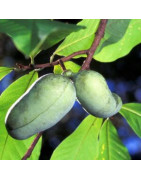
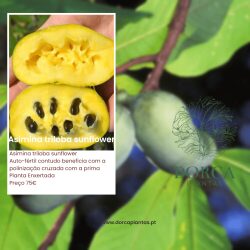
Pawpaw (Asimina triloba)
Pawpaw trees (Asimina triloba, the American pawpaw) in more than twenty-five varieties, from those selected by Neal Peterson to the Kentucky State University (KSU) selections and the classic Overleese, Prima and Sunflower. It is a rare fruit tree that takes cold winters and gives fruit with creamy flesh in late summer.
-
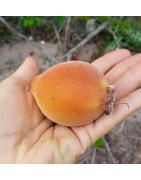
Eugenia
Surinam cherry (pitanga) and other fruit plants of the genus Eugenia: red and black pitanga, red and yellow grumichama, uvaia, Rio Grande cherry, pitangatuba, Cedar Bay cherry and araza, plus the guabiju. They are South American shrubs and small trees that do well in pots and in mild coastal areas.
-
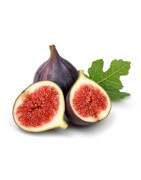
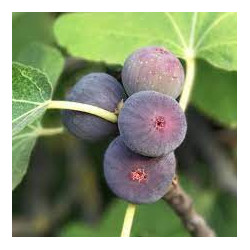
Fig trees
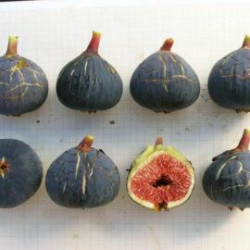
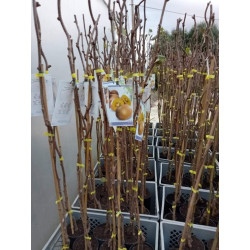
Fig trees in more than twenty varieties, from the Portuguese Pingo de Mel and São João to French and Italian collector's figs. There are two-crop fig trees, which give two harvests a year, one-crop figs and a dwarf fig tree for pots. The fig copes well with heat and drought and grows in the ground or in a large pot.
-
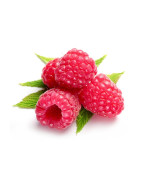
Raspberry plants
Summer and autumn raspberry plants, red, yellow, orange and black: Glen Ample, Tulameen, Autumn Bliss, Polka, Fallgold and Golden Bliss, among others. There are also thornless dwarf raspberries for pots, such as Lowberry Little Sweet Sister and BonBonBerry Yummy. Raspberries fruit in their first or second year.
-
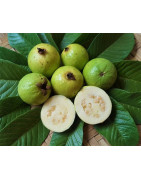
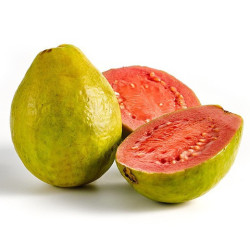
Guava trees
Guava trees in several fruit colours: white, red, pink, purple and yellow guava, plus strawberry guava, lemon guava and narrow-leaf guava. The guava is a small warm-climate tree that gives fragrant fruit in autumn and fits in a garden or a large pot.
-
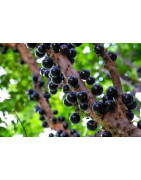
Jaboticaba trees
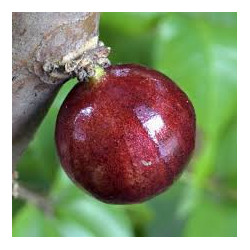
Jabuticaba trees for the ground or a large pot: Sabará jabuticaba, the hybrid Escarlate, grafted jabuticaba and larger plants, already in flower or old enough to fruit. The jabuticaba bears its fruit stuck to the trunk and branches and is one of the most requested rare fruit trees.
-
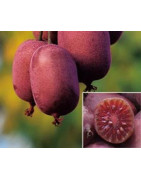
Kiwi plants
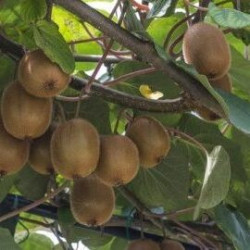
Green kiwi plants such as Hayward, self-fertile kiwis such as Jenny, Solo, Solissimo and Issai, yellow and red kiwi, and kiwi berry (Actinidia arguta) in many varieties. There are also male plants, such as Tomuri and male Weiki, to pollinate the females. The kiwi is a vigorous climber for pergolas, walls and fences.
-
Apple trees
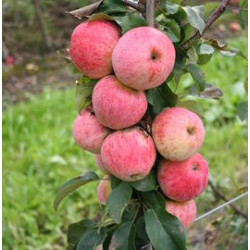
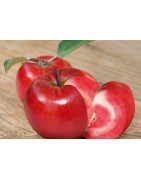
Apple trees in dozens of varieties: the classic Golden Delicious and Granny Smith, reinettes and old French apples, the red-fleshed Red Love series, and columnar and dwarf apple trees for pots. There are also crab apples, which brighten the garden and help pollinate the others.
-
Passion fruit...
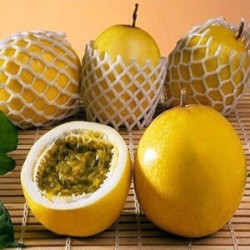
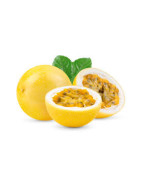
Passion fruit plants (Passiflora) for fruit and for flowers: purple passion fruit, giant yellow and flavicarpa, granadilla, banana passion fruit, giant granadilla, sweet passion fruit, the hardy Passiflora incarnata and showy flowering hybrids. The passion flower is a climber that covers a wall or pergola and fruits within the first few years.
-
Strawberry plants
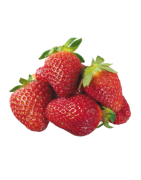
Large-fruited strawberry plants such as Albion, Charlotte and Mara des Bois, wild and alpine strawberries such as Rügen and Reine des Vallées, and strawberries of a different colour: the white Anablanca and the yellow Yellow Wonder. They fruit in the first year and fit in a bed, a pot or a balcony trough.
-
Pear trees
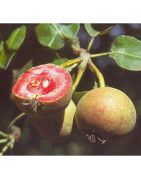
European and Asian pear trees: the classic Conference and Doyenné du Comice, old French pears, the red-fleshed Pera de Sangue, the columnar Obelisco pear for pots and five Japanese nashi pears with round, crisp fruit. For the orchard, the garden and, with the columnar tree, the balcony.
-
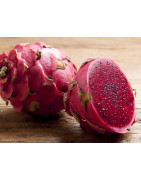
Dragon fruit plants
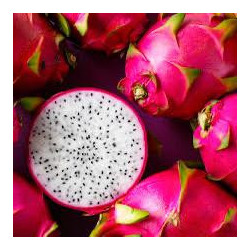
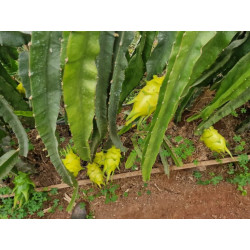
Dragon fruit plants, also called pitaya or pitahaya, with red, white and yellow flesh, including self-pollinating varieties such as Royalred, TaiwanRed, Jindu1 and the Vietnamese types. The pitaya is a climbing cactus with large flowers that open at night, and fruit in late summer and autumn.
-
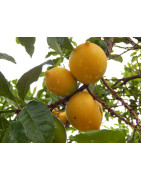
Pouteria (sapote fruits)
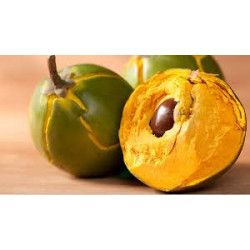
Pouteria and sapote trees for lovers of rare fruit: lucuma and canistel, seedling and grafted, purple abiu, white sapote, also grafted, and black sapote. They are warm-climate trees with sweet, creamy fruit that grow on the southern coast, on the islands or in a large, sheltered pot.
-
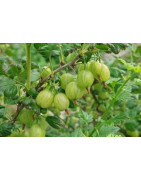
Gooseberry bushes
Gooseberry bushes with green, yellow and red fruit: Invicta, Hinnonmaki Grün, Hinnonmaki Gelb, Hinnonmaki Rot, Captivator, Xenia, Pixwell and others. The gooseberry is a low, cold-hardy shrub that fruits in early summer and likes cool climates.
-
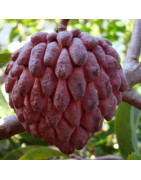
Annonas (custard apples)
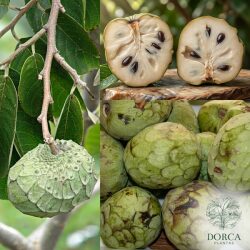
Custard apple trees for the garden or a large pot: cherimoya, from seed and grafted, atemoya, including the grafted African Dream, and red custard apple. In Portugal the custard apple does well in Madeira, the Algarve and along the coast, in warm spots with few frosts, and it fruits in autumn and winter.
-
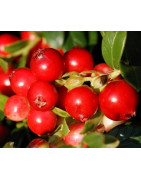
Red blueberries
Lingonberry plants, also called cowberry (Vaccinium vitis-idaea): Koralle, Red Pearl, Miss Cherry and Fireballs. It is a low, evergreen plant with red berries in late summer that needs acid soil and does well in a pot, a window box or as ground cover.
-
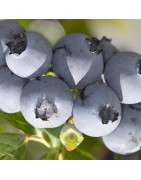
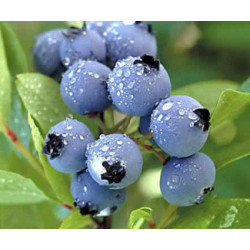
Blueberry plants
Blueberry plants in over 25 varieties: cold-climate types such as Bluecrop and Duke, mild-winter types such as O'Neal and Biloxi, and compact varieties for pots. There are also pink-fruited blueberries such as Pink Lemonade. All of them need acid soil, in the ground or in a pot.
-
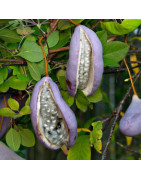
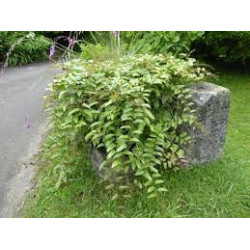
Akebia (chocolate vine)
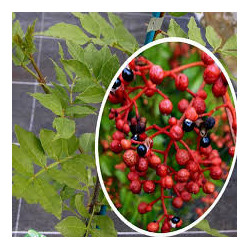
Akebia plants, also called chocolate vine: a climber that keeps most of its leaves, with scented flowers in spring and purple or violet fruit in autumn. We have Akebia quinata with purple, white (Alba) or cream (Cream Form) flowers and Silver Bells, a variegated akebia, Akebia trifoliata and the hybrid Akebia x pentaphylla. It covers pergolas, walls and fences.
-
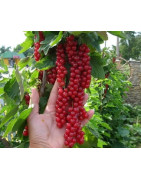
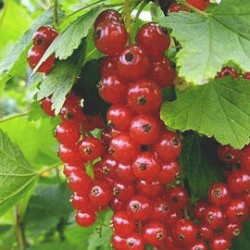
Currant bushes
Redcurrant, whitecurrant and blackcurrant (cassis) bushes in more than thirty varieties: Jonkheer van Tets, Junifer, Rovada and Red Lake among the reds, Blanka and Versailles Blanche among the whites, Titania, Ebony and Wellington among the blacks. The currant is a small, cold-hardy shrub that gives clusters of berries in early summer.
-
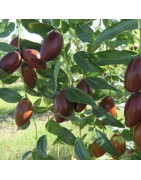
Jujube (Ziziphus jujuba)
Jujube trees, also known as Chinese dates, in several Chinese varieties: Li, Lang, Dongzao, Hupingzao, Sihong and others. The jujube is a small, hardy tree that takes heat, drought and hard frosts and gives a sweet fruit, like a small apple, eaten fresh or dried.
-
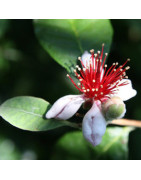
Feijoa (pineapple guava)
Feijoa plants (Feijoa sellowiana, now Acca sellowiana) in several varieties: grafted Apollo, self-fertile Unique, Triumph, Den's Choice and Mammoth, plus Coolidge, Gemini and seed-grown feijoa. The feijoa is an evergreen shrub that takes cold, wind and sea air and gives aromatic fruit in autumn.
-
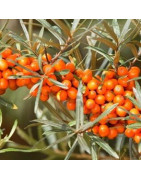
Sea buckthorn
Sea buckthorn plants (Hippophae rhamnoides), a shrub that takes cold, wind and drought and gives clusters of orange berries in late summer. We have female plants, the ones that fruit, such as Askola, Leikora, Frugana and Dorana, and male Pollmix plants, needed to pollinate them.
-
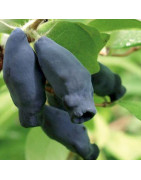
Honeyberry
Honeyberry plants, also called haskap (Lonicera kamtschatica): Aurora, Boreal Beauty, Boreal Beast, Boreal Blizzard, Strawberry Sensation, Honeybee and others. It is a very cold-hardy shrub that gives the first blue berries of the year, in May and June. To fruit it needs two different varieties.
-
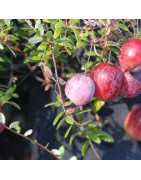
Cranberries
Cranberry plants (Vaccinium macrocarpon) of the varieties Ben Lear, Pilgrim, Stevens, Early Black and Big Pearl. It is a low, evergreen plant that gives red berries in autumn. It needs acid, moist soil and does well in a pot, a trough or a bed of acid-loving plants.
-
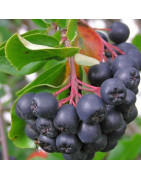
Aronia (chokeberry)
Black aronia plants, in the varieties Viking, Nero, Hugin, Rubina and Professor Ed, and red chokeberry such as Brilliant. Aronia is a hardy shrub that takes hard cold and poor soil, bears clusters of black berries in late summer and turns red in autumn. It fruits on its own, without another plant.
-
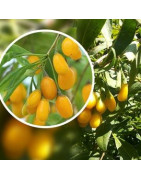
Goji berries
Goji berry plants (Lycium barbarum) in the varieties Big Lifeberry, Sweet Lifeberry, Amber Sweet with yellow fruit, Crimson Star, N1, XXL and Instant Success. Goji is a hardy shrub that copes with dry weather, heat and poor soil and gives red berries from summer to autumn. It grows well in the ground or in a large pot.
-
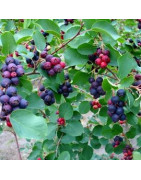
Serviceberry
Amelanchier plants, also known as saskatoon or serviceberry: fruiting varieties of Amelanchier alnifolia such as Smoky, Thiessen, Martin, Mandam and Honeywood, and ornamental varieties such as Obelisk and Rainbow Pillar. It is a cold-hardy shrub with white flowers in spring, dark berries in early summer and red leaves in autumn.
-
Elaeagnus (goumi and...
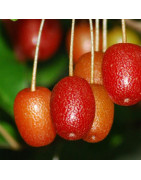
Fruiting Elaeagnus plants: autumn olive (Elaeagnus umbellata) in the varieties Amoroso, Sweet Milan, Sweet'n Sour and a yellow-berried form, and goumi (Elaeagnus multiflora). They are hardy shrubs that take wind, drought and poor soil and give edible red or yellow berries. They make good hedges and windbreaks.
-
Elder trees
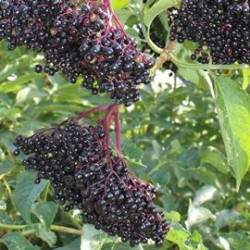
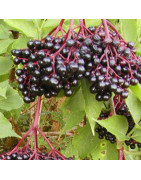
Elderberry plants (Sambucus nigra) in the fruiting varieties Haschberg, Haidegg 13, Haidegg 17, Sampo and Korsør, and the purple-leaved elder Thundercloud, with pink flowers. The elder is a hardy shrub with white flowers in May and clusters of black berries in late summer, used in cordials and jams.
-
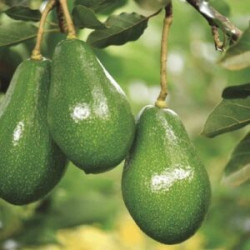
Avocado trees
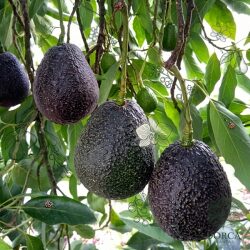
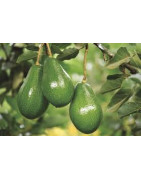
Grafted avocado trees of the varieties Hass, Lamb Hass, Bacon, Fuerte, Ettinger and Pinkerton. We have young plants, avocado trees on Duke 7 and Dusa rootstock, and trees already shaped in 25 litre pots, which fruit sooner. Planting a group A avocado next to a group B one increases the crop.
-
Dogwood trees
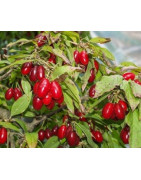
Cornus mas plants, also called cornelian cherry, in fruiting varieties: Jolico, Kasanlaker, Szafer, Juliusz, Shönbrunner Gourmet, Macrocarpa and the yellow-fruited Flava. It is a very cold-hardy shrub or small tree that flowers yellow in late winter and gives red fruit in late summer.
-
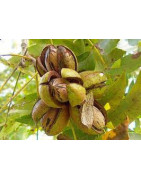
Walnut trees
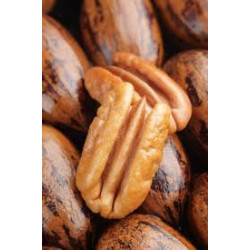
Walnut and pecan trees for anyone who wants their own nuts: grafted pecan trees in six American varieties, such as Cape Fear, Desirable and Kiowa, and common walnut trees with red kernels, Red Phantom and Sychrov. They are large, long-lived trees for gardens with space and sun.
-
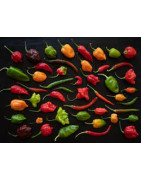
Chilli plants
Chilli plants of every heat level, from Jalapeño and Serrano to Habanero, Naga Viper and Trinidad Moruga Scorpion, and also pepper shrubs grown for spice, such as Sichuan pepper, Timut and Tasmanian pepper. They grow in the garden, the veg patch and in pots, in the sun.
-
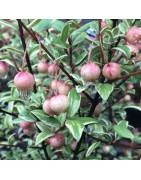
Myrtle
Myrtle plants: the common myrtle (Myrtus communis), which grows wild in Portugal, and its compact form Tarentina, the Chilean guava (Ugni molinae) in the varieties Butterball, Elite, Kapow and the variegated Flambeau, and Luma apiculata. They are evergreen shrubs with fragrant leaves and edible berries, and do well in hedges and pots.
-
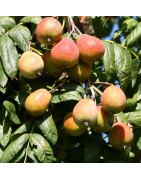
Rowan trees
Fruiting service trees and rowans: the service tree (Sorbus domestica), including the large-fruited Sossenheimer Riesen, the common rowan and Edulis, with less bitter berries, and hybrids such as Titan and Burka. They are hardy trees that take hard frost and brighten the garden with white flowers and colourful fruit.
-
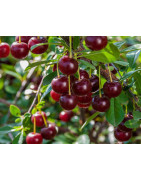
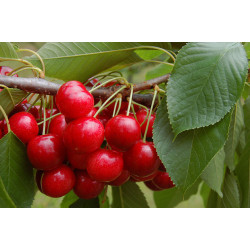
Dwarf cherry trees
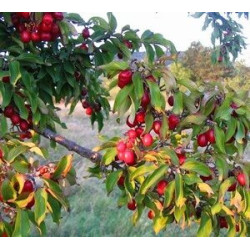
Self-fertile dwarf cherry trees that give cherries without another tree: Carmine Jewel, Crimson Passion, Juliet and Oblancinska, low-growing with sweet-sharp fruit, and the red and yellow Nanking cherry. They suit a large pot, a balcony, a terrace and small gardens.
-
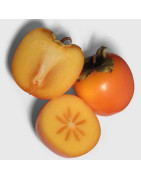
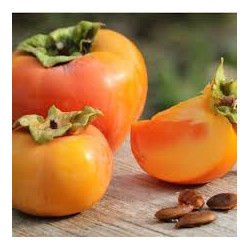
Persimmon trees
Persimmon trees in several varieties: non-astringent persimmons, eaten firm like an apple, such as Fuyu, Hana Fuyu and Jiro, soft persimmons eaten with a spoon, such as Rojo Brilhante and King's Crown, and the black persimmon Kuro Gaki. The persimmon is a hardy tree whose leaves turn orange in autumn.
-
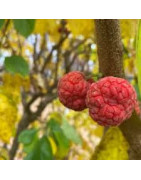
Maclura
Maclura tricuspidata plants, the che, a rare fruit tree from China and Korea: the grafted females Darrow, Norris, Chul RI and Darren Bender, the male Hu, and che fruit seedlings. Che takes cold and drought and gives red fruit, like a large mulberry, in autumn.
-
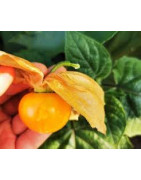
Physalis (Cape...
Physalis plants (Physalis peruviana), the cape gooseberry, an orange fruit inside a paper lantern: Giant Buddha, Lady Madonna, Lorri, Peter's Beste and yellow physalis. It is a fast-growing plant that fruits in its first year, from late summer until the first frosts, in the veg patch or in a large pot.
-
Papaya trees
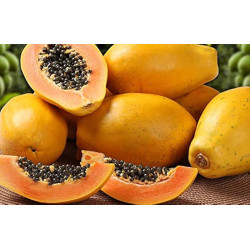
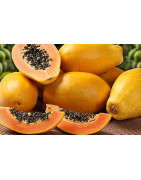
Papaya plants (Carica papaya) in the varieties Alicia, Caballero, Live, Sweet Sense and self-fertile papaya. The papaya grows fast and can fruit within a year, but it needs warmth and does not survive frost. It grows outdoors in the Algarve and on the islands; elsewhere, in a greenhouse or a large pot in a sheltered spot.
-
Pomegranate trees
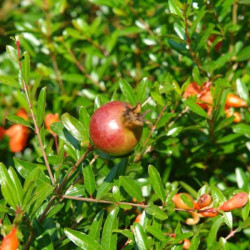
Pomegranate trees for fruit and for the garden: Wonderful, the soft-seeded Mollar de Elche, the seedless pomegranate and the black-fruited pomegranate, plus the dwarf pomegranate and a bicolour-flowered form, for pots and borders. The pomegranate tree takes heat and drought and brightens the garden with red flowers in early summer.
-
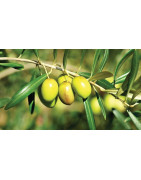
Table olive trees
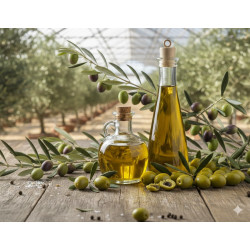
Olive trees for anyone who wants their own table olives: Manzanilla, one of the most widely used for curing, Hojiblanca, good for the table and for oil, and Arbequina, Cornicabra, Verdeal and Picual. The olive tree takes heat and drought and grows in most warm, sunny gardens.
-
Olive trees for oil
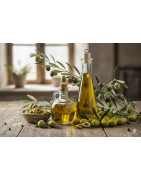
Olive trees for oil, for anyone who wants to make their own olive oil or plant a small olive grove: Arbequina, compact and quick to start cropping, the very productive Picual, Cornicabra, Hojiblanca and Verdeal. The olive tree takes heat, drought and poor soil and grows in most warm, sunny gardens.
-
Ornamental olive trees
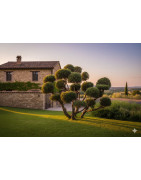
Ornamental olive trees for the garden, the front door and the terrace: centuries-old olives with broad, twisted trunks, cloud-pruned olives with the crown shaped into balls, and ornamental olive trees in several sizes, from 20 to 140 centimetres. They keep their silver leaves all year and cope well with sun, heat and drought.
-
Rare chillies
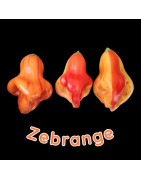
Rare and exotic chilli plants for collectors: chillies in unusual colours and shapes, such as Sugar Rush Peach Striped, Black Olive and Cambuci, and some of the hottest in the world, such as Trinidad Moruga Scorpion and Naga Viper. They are summer plants for the veg patch, the garden or a sunny pot.